


Let the cameras roll: Idaho's important step toward improved transparency
An Idaho House committee took an important step toward strengthening transparency in government on Monday afternoon.
House Bill 627, introduced by Rep. Lori McCann, clarifies that members of the public and the press have the right to record public meetings. It cleared committee on a decisive 15–1 vote. Committee members offered feedback on a few minor tweaks, but the message was unmistakable: Idaho should be on the side of openness, not secrecy.
That’s a good thing—because this bill addresses a real and recurring problem.
House Bill 627 amends Idaho’s open meetings law to make something explicit that should never have been in doubt: no one attending a public meeting may be prohibited from recording it. Audio, video, or photographs—if a meeting is public, the public has the right to document it. Governing bodies may still ensure meetings are orderly and prevent disruptions, but they cannot ban recording simply because they’re uncomfortable being on camera.
This isn’t radical. It’s common sense.
And it’s necessary. Just ask the residents of Jerome.
Recently, a reporter was told he could not film a public school board meeting. A taxpayer-funded board, making decisions that affect families, students, and teachers, tried to bar recording. Afterward, the superintendent acknowledged the policy was wrong and promised to change it. Credit where it’s due—but the incident exposed a larger issue.
Too many public officials still treat “open meetings” as if they’re doing citizens a favor by letting them quietly sit in the room. That’s not transparency. That’s permission-based access. And democracy doesn’t work that way.
Government belongs to the people. The people don’t need permission to watch it work.
Courts across the country have repeatedly recognized that the First Amendment protects the right to record public officials performing their duties in public settings. Idaho’s open meeting laws were designed to prevent closed-door decision-making and backroom deals. House Bill 627 strengthens those protections by removing ambiguity and making the rules clear for everyone—officials and citizens alike.
Clarity matters. When the law is vague, some officials push boundaries. When the law is clear, accountability follows.
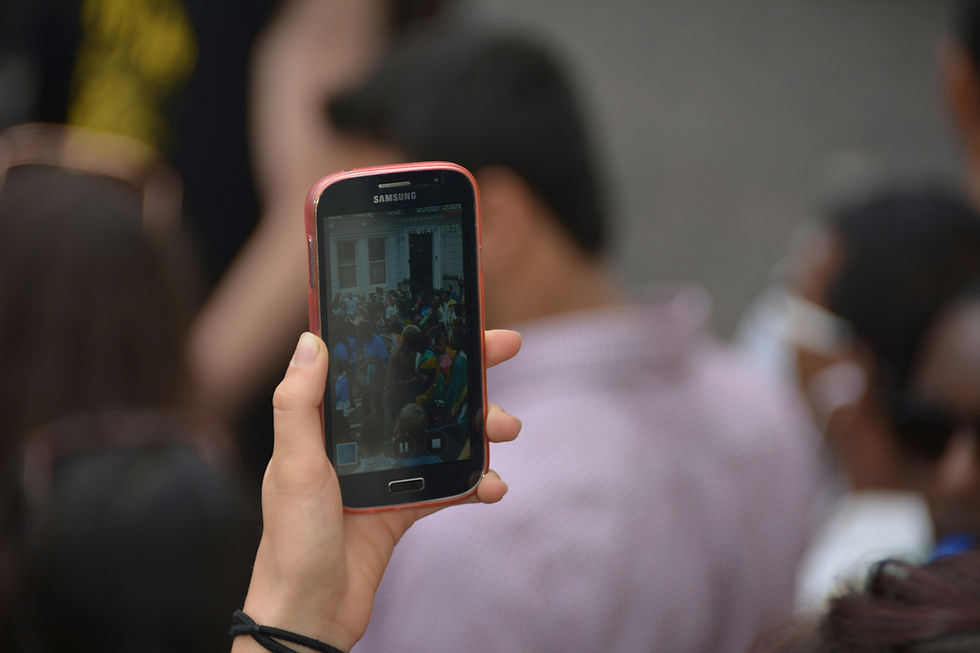
But let’s also be honest about where we are in 2026. Simply allowing someone to sit in the back of the room is no longer enough. Nearly every Idahoan carries a high-definition camera in their pocket. Businesses livestream meetings. Churches stream services. Parents stream their kids’ soccer games. Yet some government bodies still behave as if recording a meeting is an unreasonable demand.
It isn’t. It’s accountability.
Families are busy. Parents are working, commuting, helping with homework, and putting dinner on the table. Most people can’t attend a two-hour meeting on a Tuesday night—but they should still be able to see how decisions are made, how tax dollars are spent, and whether elected officials are acting in the public interest.
Recording meetings makes that possible.
Livestreaming and archiving meetings is simple and inexpensive. A basic camera, a tripod, and an internet connection are often all that’s required. The cost is minimal. The benefit—public trust—is enormous.
Other states have recognized this reality. Montana now requires school boards, city councils, and county commissions to record and post their meetings online. They didn’t just talk about transparency—they made it the law. Idaho should consider following that lead.
House Bill 627 doesn’t go that far—and that’s okay. What it does is foundational. It protects the public’s right to record their government without interference. It prevents future Jerome-style incidents. And it sends a clear signal that Idaho values openness over convenience.
The overwhelming committee vote shows lawmakers understand this. With a few thoughtful refinements, House Bill 627 can become an even stronger affirmation of a simple principle: public meetings are public.
In a free state, the camera shouldn’t be feared. It should be welcomed.


